

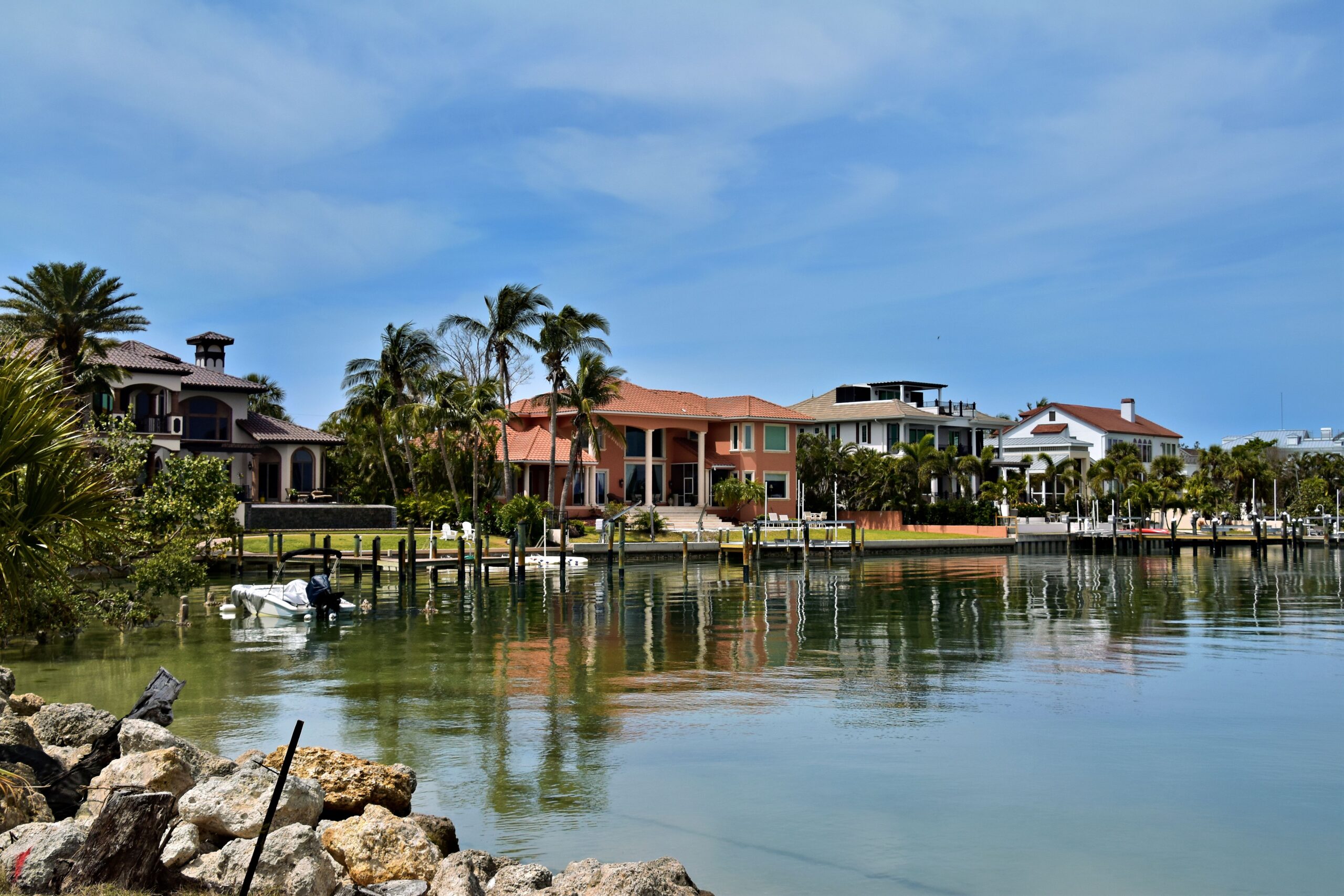
Summary: The age of roofs and HVAC’s, property taxes, location risk, maintenance needs, and energy efficiency all can play a huge role in determining insurance and ownership costs for two similar properties in the same area. Purchasers looking for homes for sale in North Port, FL should take into account the overall long-term costs instead of only the listing price.
The difference is rarely visible in the listing photos. A home’s purchase price tells only one part of the financial story. The real cost of ownership is shaped by everything that follows: insurance premiums, property taxes, utility consumption, maintenance requirements, flood exposure, age of major systems, and even the home’s design. This is why buyers comparing homes for sale in North Port FL should evaluate more than the number displayed on the listing.
Understanding these hidden cost differences can help buyers make more informed decisions and avoid purchasing a home that appears affordable but becomes expensive over time.
Property Taxes Depend on More Than the Purchase Price
Two homes with the same price can be thought numerically as two very different homes when they factor in property taxes. Assessed value and local tax factors determine tax obligations, so it is important for buyers to check the history of taxes associated with the property and not just by the listing price.
There may also be ongoing tax matters that are not part of the seller’s tax liability, and these may be different in terms of the new owner’s future tax liability. That’s why it is necessary to look at the property’s history of taxation and determine what it will mean if someone decides to purchase it.
When considering houses for sale in Sarasota, Florida along with North Port, buyers should keep in mind that the tax landscape can differ and assessed values can vary considerably between markets, as can property characteristics. When you compare, make sure it’s done with the broader picture in mind — not just the cost to sell, but also the total annual ownership cost.
Age and Condition of Major Systems Matter
You can have a home ready to move in with everything in order and have high dollar systems that are nearing their replacement points. Articles or elements involved with the roof, HVAC, water heater, electrical, plumbing and appliances can have an effect on the total cost of owning the home.
Two houses can even be constructed at the same time but have different maintenance histories. Its surface could be good condition while its interior might have components that are closer to the end of their useful life. It may have been decorated over the years, while the interior may have systems in need of replacement.
This is why a home inspection by a professional really isn’t simply a formality. Homeowners are advised to be mindful of the residual life of key components and what might be needed to be replaced within the next several years.
Energy Efficiency Saves Money
A home’s design and efficiency can impact utility cost line item by line item over the course of the calendar year. Insulation, window quality, HVAC efficiency, age of HVAC systems, ceiling heights, as well as the amount of sunshine the rooms receive all can influence energy use.
A larger house doesn’t necessarily cost more to run if it’s fitted with from-the-new range energy-efficient systems. On the other hand, a smaller home with less modern equipment might have added monthly costs.
Utility costs should be discussed with the buyer, where applicable, and the physical condition of the air-conditioning units, insulation, windows and other elements that impact utilities should be briefly reviewed. The monthly expenses can be relatively small on a monthly basis, but can run thousands of dollars over the term of ownership.
Installation can Impact Maintenance and Risk
The actual property’s address may also le makes a substantial difference in terms of its long-term cost. Some factors such as susceptibility to weather aspects, drainage issues, and other environmental considerations can mean that a residence may need extra care or particular type of insurance.
Lot attributes and characteristics are also important. A larger yard will have more space to spend, but also cost more for landscaping. Older trees might offer shade, but may require trimming or maintenance due to storm damage. Other expenses are posed on a regular basis by pool ownership, seawalls, wide landscaping and outdoor buildings.
The Best Comparison Is the Total Cost of Ownership
In considering homes for sale in North Port FL, the buyer should get a bigger overview of the carrying cost for housing, which should include:
- Property taxes
- Homeowners insurance
- Mortgage payment and interest
- Flood or additional coverage, if applicable
- Utilities
- Routine maintenance
- Major system replacements
- Other costs related to the property itself (including landscaping)
Conclusion
Cost is not necessarily the lowest of the homes that one can find. Insurance, taxes, maintenance, energy efficiency and other location dependent costs can be responsible for the vastly different ownership costs of two property types that are similar in every other way. These factors should be carefully considered to make educated choices with long-term value instead of just the price.
Looking to view North Port homes that have long-term ownership in mind? Click here to start your home search at Seaview Homes!
FAQs
1. Why can similar homes have different ownership costs?
The annual and long-term costs can vary vastly due to insurance, taxes, maintenance history, energy efficiency, significant system age, and other property specific characteristics.
2. What are the factors that buyers need to consider before buying a property in North Port?
The roof, HVAC, plumbing, electrical systems, water heater, windows, insulation, and other key features should be considered during the inspection as well.
3. Does an older home always cost more to own?
Not necessarily. An older home that has been well taken care of with up to date systems, can sometimes be more affordable than a newer home in a poorly maintained condition or with under-performing equipment.
4. Should customers get a copy of an insurance quote prior to buying?
Yes. An insurance estimate will provide the buyer an idea of how much it will actually cost the property to insure, and also will give clues as to what could affect the premiums.
5. How to do the financial comparison of two homes?
Look at the Total Cost of Ownership: the purchase price, taxes, insurance, utilities, maintenance and any major repair—rather than the mortgage price.